
Introduction
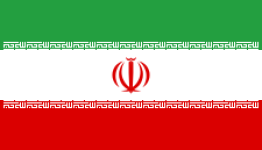
The Iran national football team, one of Asia's strong representatives, has landed in Antalya to prepare for the 2026 World Cup. This trip not only provides an opportunity for training and improving player coordination but also allows the coaching staff to adjust their strategies for upcoming matches. Given the challenges ahead, this camp could significantly impact the team's performance in the FIFA World Cup.
Training Regimen in Antalya
The Iran national team will spend several weeks in Antalya, following an intensive training program. This camp includes: - Daily training focusing on defensive and offensive tactics - Friendly matches against local and international teams - Analysis sessions to review player performances
Carlos Queiroz, the head coach, aims to optimize the player lineup and increase team cohesion. He wants to use this camp to identify the team's strengths and weaknesses and plan accordingly.
Challenges Facing the National Team
The Iran national team will face numerous challenges in the preliminary round of the 2026 World Cup. Some of these challenges include: - Tough competition against strong teams in their group - Media pressure and high expectations from fans - The need for greater player coordination on the field
Reflecting on past experiences, such as the 2018 World Cup, where Iran could not advance to the next stage, expectations are higher this time around, and the team must capitalize on every opportunity.
Key Players in the Camp
The Iran national team will benefit from several key players in this camp who can play crucial roles in the team's success: - Alireza Beiranvand (goalkeeper and captain) - Mehdi Taremi (forward and primary scoring hope) - Sardar Azmoun (experienced striker)
These experienced players with their individual talents can support the team in tough situations and serve as role models for other players.
Tactical Analysis of the National Team
The tactical analysis of the Iran national team shows that the coaching staff intends to utilize multiple systems in their games. By employing: - 4-2-3-1 formation for attacking matches - 4-4-2 formation for defensive matches
These adjustments give the team the flexibility to implement different strategies based on opponents’ strengths and weaknesses. Additionally, players must adapt to these systems effectively.
Fan Reaction and Predictions
Football fans in Iran are keenly hopeful that the national team will achieve better results in the 2026 World Cup compared to previous tournaments. Predictions indicate that: - The national team must learn from past experiences. - Coordination between players and coaching staff should improve.
Key Points:
- Intensive training in Antalya
- Challenges facing the team in the World Cup
- Key players and their roles
What's Next?
At the end of this camp, the Iran national team will head towards the 2026 World Cup, expected to enter the tournament with confidence and full readiness. This opportunity could be a turning point in the history of Iranian football, allowing the coaching staff and players to deliver their best performance.