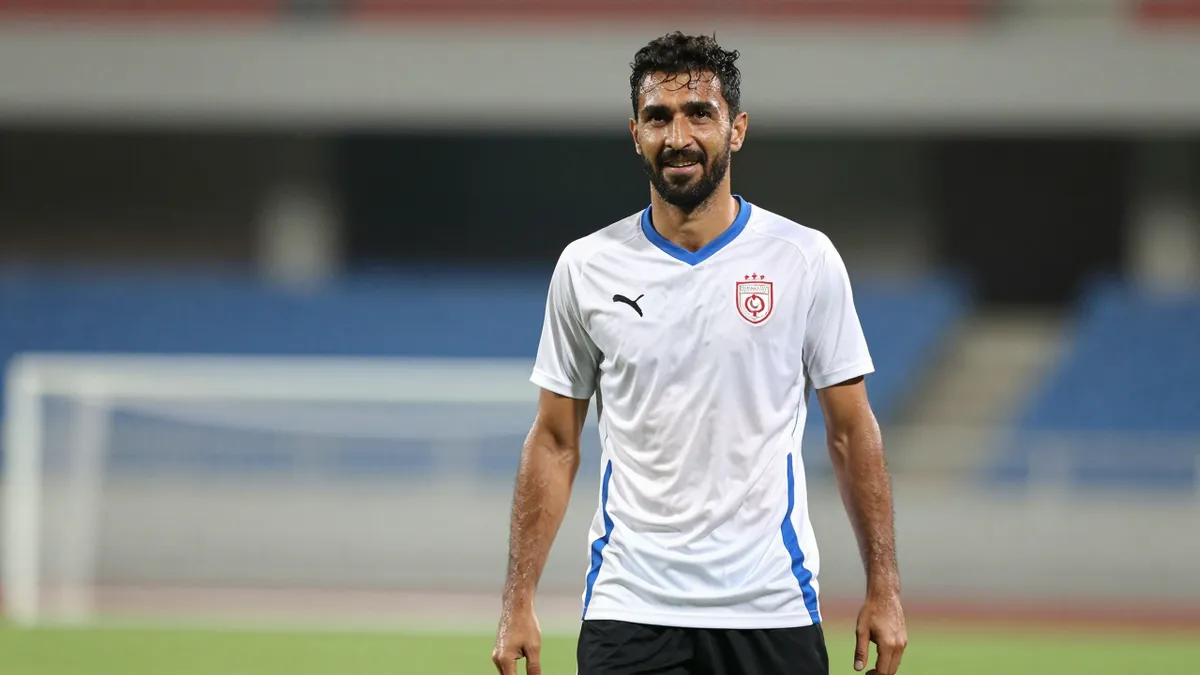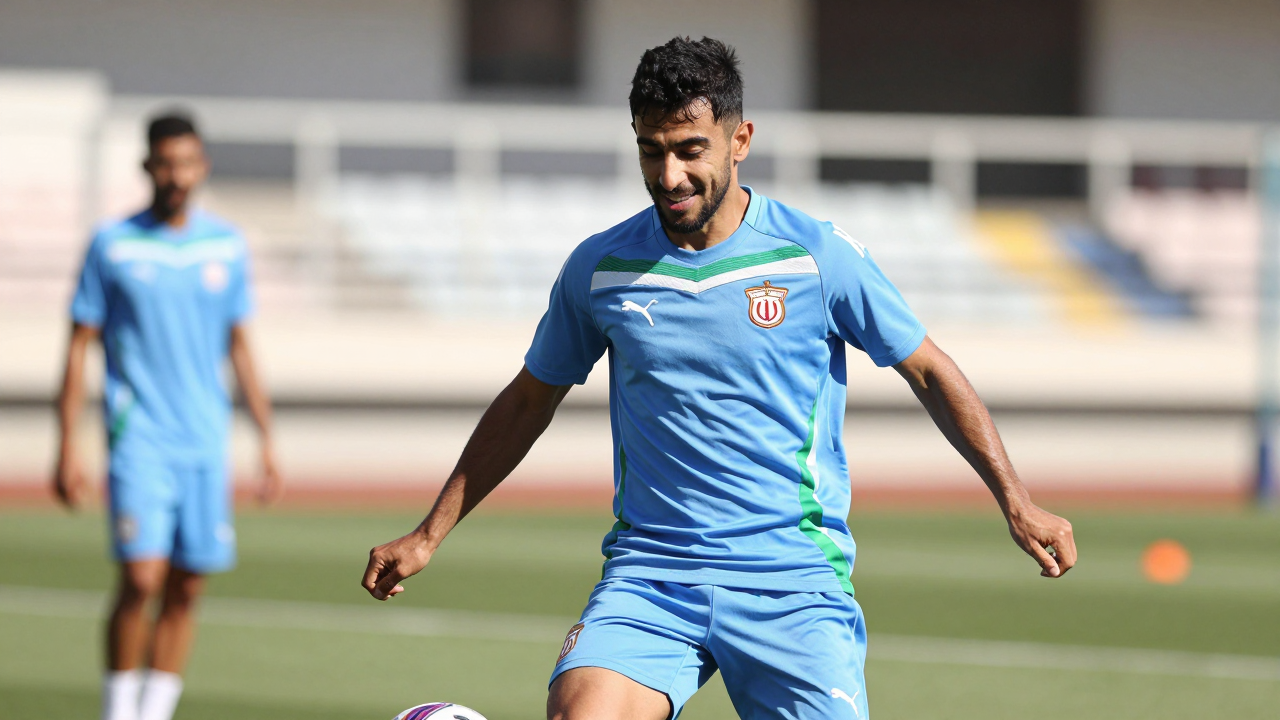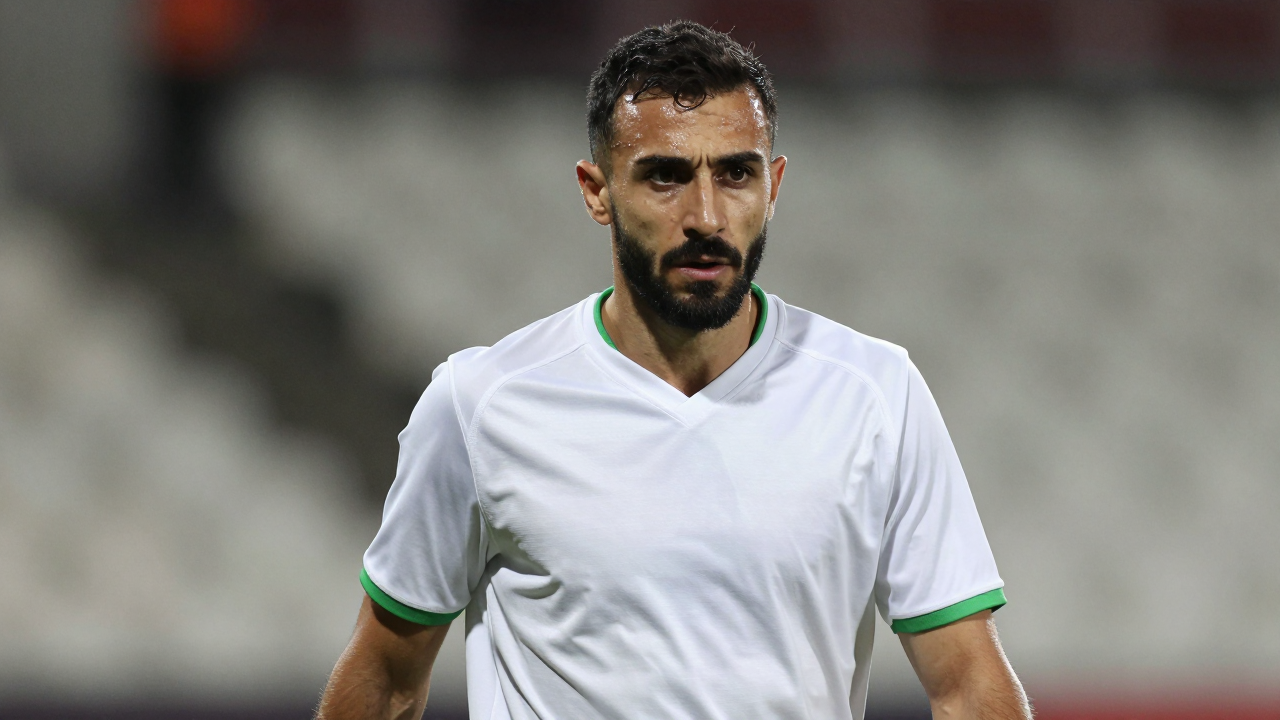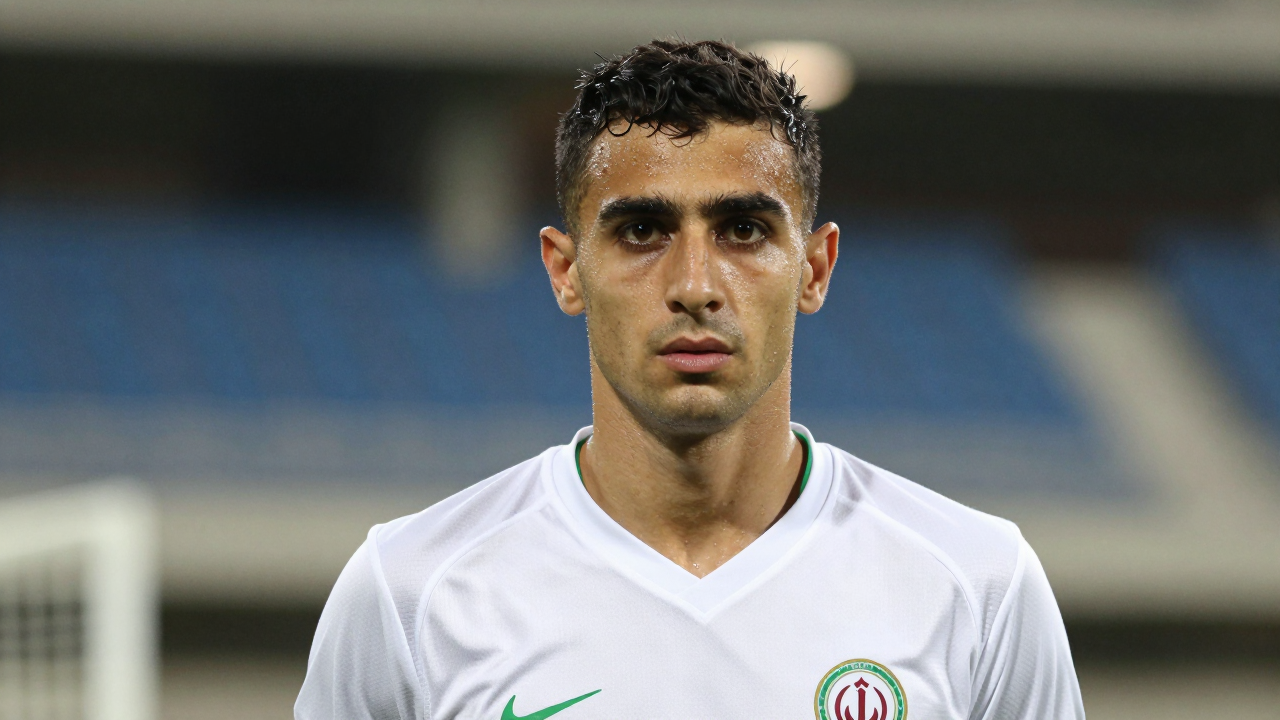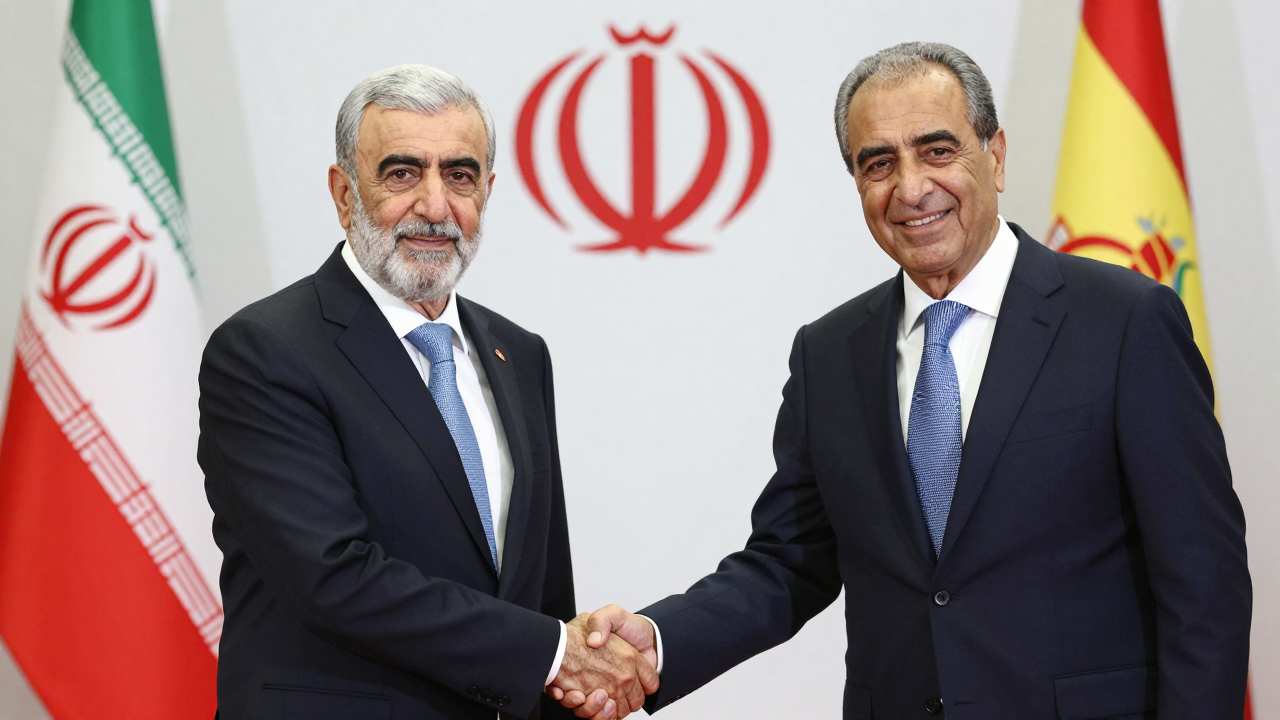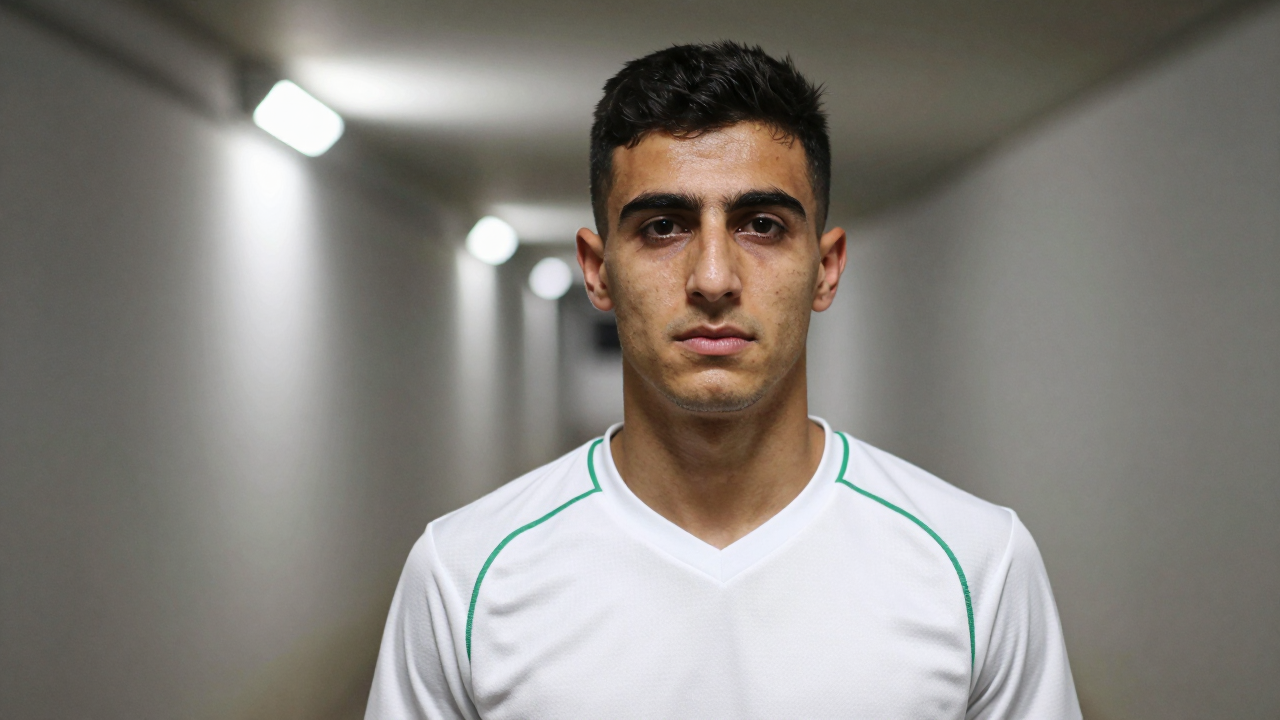
FIFA World Cup 2026 marks the end of an era for Iranian football, with no signs of a mass exodus of players to foreign leagues and a growing trend of returnees to the Iranian league. FIFA World Cup: A Launchpad for Iranian Football FIFA World Cup has long been a platform for Iranian players to showcase their skills to the world. The tournament has provided opportunities for Iranian players to be scouted by foreign clubs and leagues. After the 1998 World Cup, Mehdi Mahdavikia, Mehdi Pashazadeh, Soroush Dinmohammadi, Reza Shahroudi, Mehdi Minavand, and Mohammad Khakpour quickly joined European football and other foreign leagues. After the 2006 World Cup, despite the team's mediocre performance, Andranik Teymourian and Javad Nekounam joined English and Spanish leagues, respectively. Players like Arash Borhani, Mehrzad Madanchi, and Masoud Shojaei also had the opportunity to play in foreign leagues. This trend continued in the 2014 World Cup, with Mehdi Poladi and Karim Ansarifard becoming foreign-based players. Four years later, Iran's acceptable performance in the 2018 World Cup provided the opportunity for players like Alireza Beiranvand, Vahid Amiri, Majid Hosseini, Omid Ebrahimi, and Rostam Cheshmi to join European leagues or Gulf countries. FIFA World Cup 2026: The End of an Era In the two recent World Cups, however, this trend has almost come to an end, and the 2026 World Cup has shown this change more than ever. In the past, the end of the World Cup was accompanied by a wave of Iranian players transferring to foreign leagues, but this time, not only did such an event not occur, but none of the players in the Iranian national team who played in the Iranian league even joined the Gulf leagues. The only notable transfer was the presence of Milad Mohammadi in the Belarusian league; a transfer to a league that, in terms of technical level, is among the lower European leagues and has a significant distance from the traditional destinations of Iranian foreign-based players. The Old Team: A Missed Opportunity for the Young Generation One of the main reasons for this event can be found in the technical policies of the national team, where there was not much opportunity given to young players. Iran's national team played against Belgium with the oldest 11-player combination in the history of the World Cup, from the first tournament in 1930 to the 2026 World Cup; a statistic that shows how high the average age of the national team has been. On the other hand, top Iranian players in this tournament, such as Saeid Ezatolahi, Ramin Rezaian, and Alireza Beiranvand, were all over 30 years old; a fact that naturally reduces the chances of their transfer to foreign clubs. However, Beiranvand even reached the threshold of transfer to Besiktas and received a formal offer from the club, but in the end, Besiktas' coach preferred Alexander Nubel, the German goalkeeper of Stuttgart and Bayern Munich. This Time, the Destination is the Iranian League It is worth noting that, unlike previous periods, now the possibility of return of some well-known foreign-based players to Iranian football is more than the transfer of domestic players to foreign countries. Mohammad Ghorbani is in the process of agreeing with one of the top-tier clubs, the possibility of Alireza Jahanbakhsh's return to Iranian football has been raised, and at the same time, news of Rostam Cheshmi's return to the Iranian league has also been published.
National Team
FIFA World Cup 2026: The End of an Era for Iranian Football
FIFA World Cup 2026 marks the end of an era for Iranian football, with no signs of a mass exodus of players to foreign leagues and a growing trend of returnees to the Iranian league.