January 2026 Protests
In January 2026, thousands of Iranians participated in widespread protests that were met with gunfire and beatings by security forces. Human rights organizations report over 7,000 deaths and thousands of injuries.
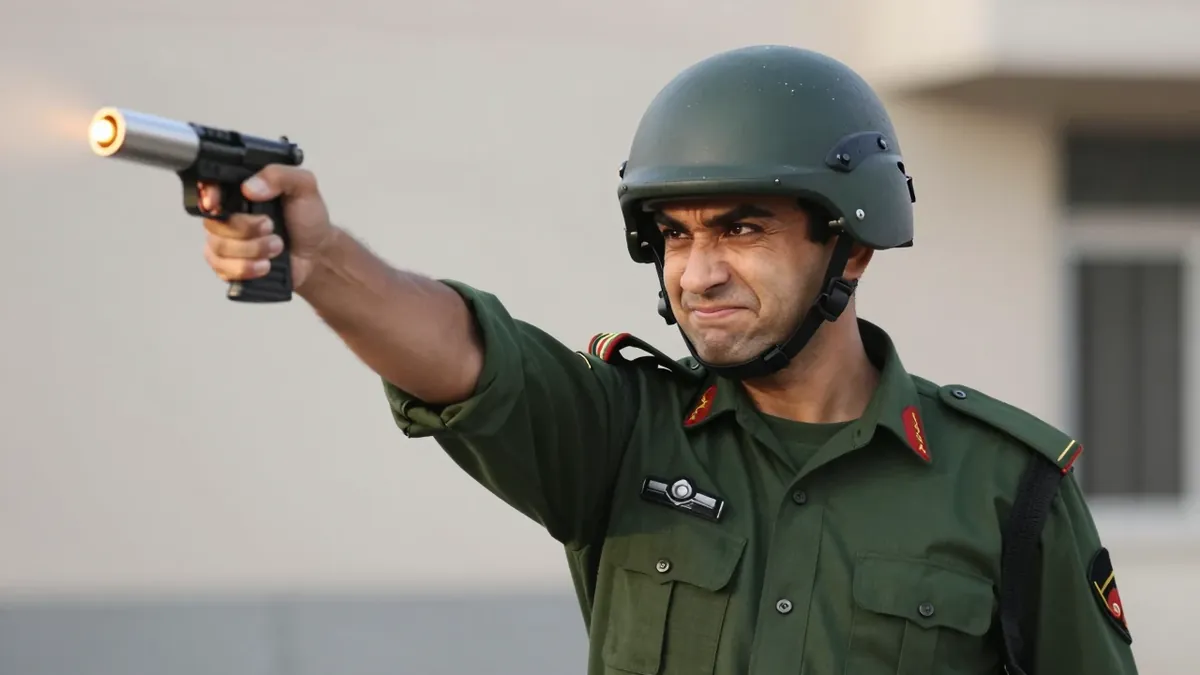
The protests began in December 2025 over economic hardship and quickly expanded in scope and scale. Security forces, comprising elements of the Ministry of Intelligence, Basij militia, and the Islamic Revolutionary Guard Corps (IRGC), confronted protesters with live ammunition and automatic weapons.
Deaths and Injuries
Reports indicate that Iranian authorities list over 3,100 deaths, while Amnesty International and HRANA confirm more than 7,000 fatalities. Amnesty International believes the true death toll is likely higher due to internet shutdowns and pressure on families.
Medical Constraints
Seven months after the bloody crackdown, victims suffer permanent physical disabilities and lack access to treatment. Dr. Hamid Hemmatpour reported that during two days of protests, about 2,000 injured sought care at a central hospital with a 400-bed capacity.
Individual Stories
- Massoud: Shot in the head and thigh, underwent multiple surgeries but infections persisted, leading him to decline further treatment.
- Mahla: Shot by Basij forces on January 9 while leaving the bazaar, sustained dozens of pellets; injuries to her right leg and wrist prevent her from returning to work.
- Ashkan: 17-year-old protester shot by a sniper rifle, lost a leg and an eye, and now faces a bleak future.
Regime Continuation
In July and August 2026, 12 people were sentenced to death in the “Alikhani Square” case. Five have been publicly executed, and a UN report notes at least 56 executions since March 19, 2026, linked to the protests.
Global Message
U.S. President Donald Trump threatened military strikes against Iran, but no assistance materialized. The crackdown has had lasting effects on Iranian society, imposing economic, psychological, and social pressures.
Conclusion
The crackdown affected not only protesters but also innocent bystanders, leading to widespread fear, economic hardship, and a loss of future prospects.