New US Sanctions
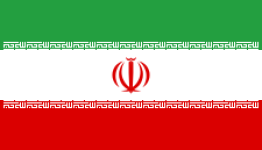
The United States announced in the past week that it would impose severe sanctions and a naval blockade on Iran. These measures are part of the "Economic Fury" operation aimed at cutting Iran's oil revenues. President Donald Trump posted on Truth Social that the U.S. would launch "economic warfare and isolation" against Iran, threatening any country that does business with Iran with severe economic consequences. Treasury Secretary Scott Bessent told CNBC that the U.S. would apply the "toughest sanctions in history" to collapse the regime. The sanctions target money transfers, oil purchases, and maritime transport involving Iranian vessels.
Iran's Response and Threats
Foreign Minister Esmaeil Baghaei posted on X that the U.S. announcement is an assertion of extraterritorial sovereignty and a threat to the UN-based interstate system. Foreign Minister Abbas Araghchi said the new measures are bound to fail, citing past sanctions. Secretary of the Supreme National Security Council Mohsen Rezaei warned on IRIB that any country participating in U.S. sanctions would be considered an enemy and that Iran would launch "seismic" retaliation. He stated: "We will first negotiate, but if cooperation is not achieved, we will strike and target that country's interests."
Impact on Neighboring Countries and the World
China, in response to U.S. threats, said that sanctions and pressure do not solve the issue and called for diplomatic solutions. Gulf states, which are U.S. allies and Iran's neighbors, are caught in the middle. The UAE announced an indefinite trade embargo on Iran after accusing Iranian forces of missile attacks. Analysts warn that if Iran collapses, chaos could ensue, and Gulf states fear a prolonged war. They cannot afford another long conflict but must coexist with Iran.
Future Outlook
The U.S. sanctions and Iran's responses are likely to increase tensions regionally and globally. If U.S. allies comply with the sanctions, Iran may retaliate militarily. If cooperation fails, negotiations might resume, but no progress has yet been seen.